
The Southern Vales
Dog Training & Behaviour in McLaren Vale
McLaren Vale, McLaren Flat, Willunga, Blewitt Springs, Tatachilla and Whites Valley.
In short
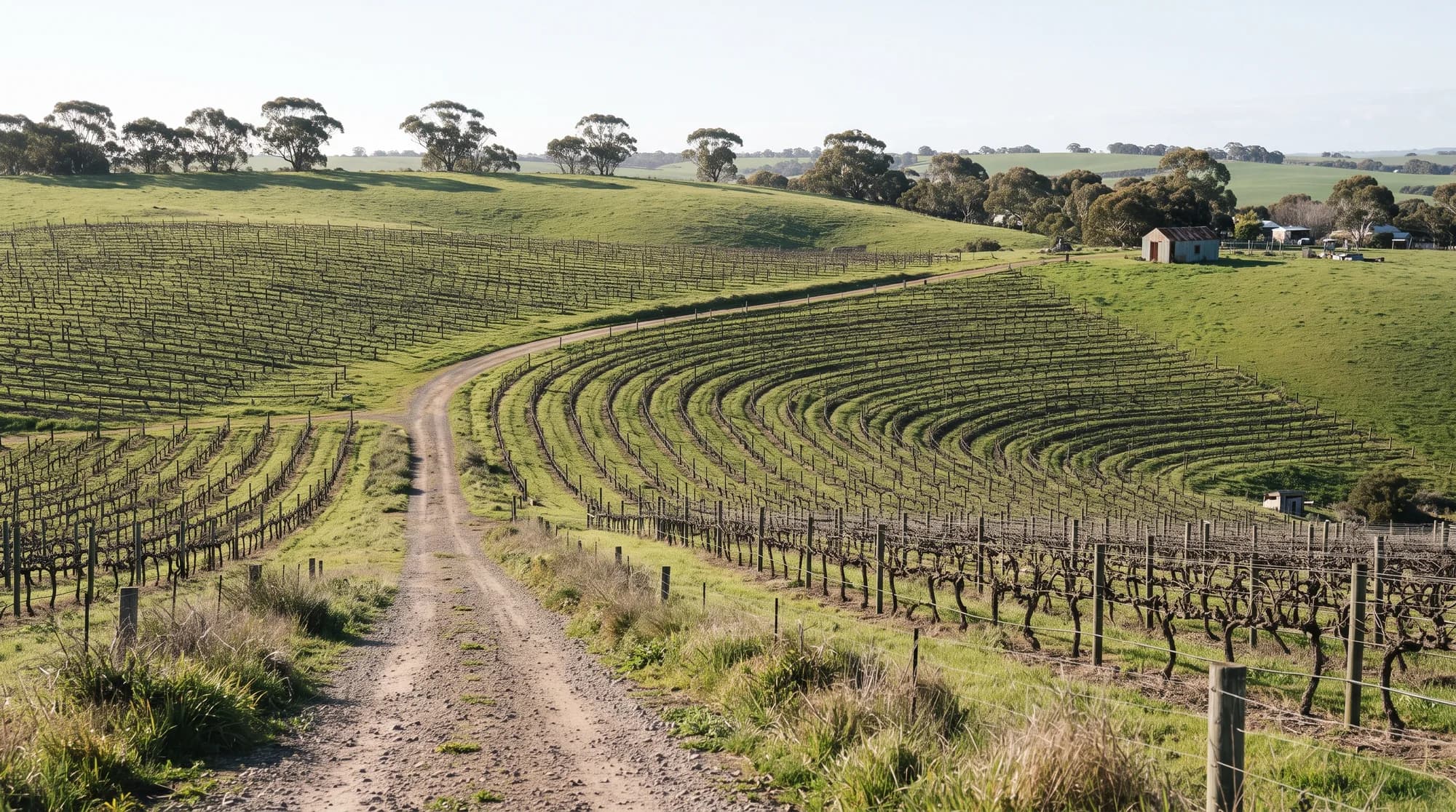
McLaren Vale dog training is dominated by space rather than density. Larger blocks and acreage make recall and boundary training the priority skills, livestock on neighbouring properties raises the stakes considerably, and the region's dog-friendly cellar doors create real demand for reliable public settling.
Local knowledge
Dog life in McLaren Vale
Cross into the Vales and the whole shape of the problem changes.
In the suburbs, the constraint is other people. Out here, the constraint is space and what your dog might do with it. Recall stops being a convenience and becomes the safety skill. A dog on five acres with a vineyard on one side, a road at the end of the drive and roos in the paddock at dusk needs to come back when called — first time, at distance, off a scent trail. That is a much higher bar than a suburban recall and it takes proper staged work to build.
Boundary training comes with it. A lot of Vales properties are partly fenced, or fenced for stock rather than for dogs, or have a driveway that runs straight to a road. Teaching a dog where the edges are is a real skill and it is one of the more satisfying things to train, because the dog visibly relaxes once it knows.
Livestock is the serious one. There are sheep on plenty of properties around Willunga and up the hills behind the Vale, and a dog that chases stock is a genuine problem — for the stock, for the dog, and legally for you. If your dog has shown any interest in livestock, containment comes first and training comes alongside it. This is not one to work through gradually while hoping for the best.
Working-breed crosses are common out here — kelpies, border collies, and the various mixes. Those dogs were built to work all day and a large yard is not a job. A bored working dog on acreage will invent something to do, and you will not like the job it picks. Structured mental work matters more than distance covered.
And then the cellar doors. The Vales have an unusual density of dog-friendly venues, and "we want to be able to take him to lunch" is a genuine, common training goal here. It is very achievable — settling on a mat, ignoring food, coping with strangers and other dogs at close range — but it is a trained skill, built at home first, not something you test cold on a busy Sunday in spring.
Where you can take a dog
Dog parks, beaches and reserves near McLaren Vale
The council-designated spots that actually matter for training — and which of them have a fence.
- On lead
The Shiraz Trail
Runs McLaren Vale to Willunga along the old rail corridor. Shared with cyclists, which makes it useful — and occasionally challenging — reactivity practice.
- Off-lead beachMaslin Beach
Maslin Beach off-lead area
The nearest designated off-lead beach, minutes west. Open sand and space to work a recall at genuine distance.
- On lead
Port Willunga
Scenic, busy around the jetty ruins, and good advanced practice for public settling once the basics are solid.
- Fenced dog parkAldinga Beach
Symonds Reserve fenced dog park
The nearest fenced dog park, with a small-dog area and toilets. Genuinely worth the drive while you are building an acreage recall.
- On lead
Dog-friendly cellar doors
A real feature of life here, and the reason public settling comes up as a training goal more often in the Vales than anywhere else in my area.
Taken from the councils’ own dog registers and current as at August 2026. Councils genuinely do add, fence and re-designate these areas, and seasonal beach hours change — check with your council before you rely on any of it, and the signage on the day beats everything.
Training locally
A different curriculum entirely
Cross into the Vales and the whole shape of the problem changes. It is worth being explicit about that, because owners moving out from the suburbs often keep training for the suburb they left.
In a suburb, the priorities are loose lead, greeting manners and settling — the behaviours that create friction with other people. Out here the list reorders completely. Recall comes first, and it comes first by a distance, because a dog that does not come back on five acres has options a suburban dog simply does not have: the road at the end of the drive, the neighbour's sheep, the roos in the paddock at dusk.
Building that recall properly takes staged work on a long line, across increasing distance and increasing distraction, in the actual paddock rather than in a yard. It is not fast. Anyone who tells you they can install a bombproof recall in an afternoon is describing a dog that has not yet met anything genuinely interesting.
Boundary training runs alongside it. A great many Vales properties are partly fenced, fenced for stock rather than for dogs, or simply open at the driveway. Teaching a dog where the edges of its world are is genuinely valuable work, and dogs generally find it reassuring rather than restrictive — an animal that knows the rules of its territory relaxes into them.
Then there is the third skill, which is unique to this part of my service area: settling at a cellar door. Mat work, duration, food arriving, strangers passing at half a metre, another dog at the next table. Entirely achievable for most dogs, and absolutely not something to discover on a Sunday in October at a busy venue. That is the exam, not the lesson.
Worth knowing
Livestock, working breeds and the things that go badly wrong
Two Vales-specific risks are worth spelling out plainly, because both can end badly and both are manageable if you act early.
Livestock. There are sheep on plenty of properties around Willunga and up the hills behind the Vale. A dog that chases stock is a serious problem — for the stock, for the dog, and legally for you. Livestock worrying carries real consequences in South Australia, and quite apart from the law, a stock chase can end with a dead dog. If your dog has shown any interest at all in livestock, secure containment comes first, today, and training runs alongside it rather than instead of it. This is not one to work through gradually while hoping for the best.
Working breeds with nothing to do. Kelpies, border collies and the various crosses are common out here, and they were built to work all day. A large yard is not a job. A bored working dog on acreage will invent one, and you will not like the job it picks — usually some combination of fence patrolling, stock watching, car chasing or obsessive behaviour around movement. Structured mental work matters far more for these dogs than distance covered. Twenty minutes of scentwork settles a kelpie in a way an hour of running genuinely does not, because running a fit working dog mostly produces a fitter working dog.
The wildlife adds to both. Roos and rabbits at dawn and dusk are high-value competition for any recall, and a dog in full chase is running on instinct where no amount of roast chicken competes. That is why the staged work matters: the recall has to be automatic before the trigger appears, and you have to be watching the paddock ahead of your dog rather than reacting after the chase has started.
What I get called about
What comes up in McLaren Vale
- Recall that fails on acreage where the consequences are real
- Boundary and driveway training on partly fenced property
- Livestock interest and chasing
- Working breeds with too much space and no job
- Settling at dog-friendly cellar doors and cafes
- Roos, rabbits and wildlife as high-value recall competition
Around here
Around McLaren Vale
Where the training happens, and where things tend to go wrong.
The Shiraz Trail
McLaren Vale to Willunga on the old rail line. Shared with cyclists — useful, occasionally challenging, reactivity practice.
Dog-friendly cellar doors
A real feature of life here and the reason public settling is such a common training goal in the Vales.
Willunga and the hills behind
Working farmland with stock. Worth knowing exactly where livestock is relative to your boundary.
Most requested here
What I'm booked for in McLaren Vale
Dog Obedience Training
Your dog already knows "sit". The question is whether they do it when a magpie lands on the fence.
Learn moreIn-Home Dog Training
Your dog does not misbehave in a training hall. It misbehaves at your front door. So that is where we work.
Learn morePuppy Training
Everything your puppy learns in the next twelve weeks, they will believe for the rest of their life. Worth getting right.
Learn moreBehaviour Consultations
Some problems do not respond to more training. They respond to understanding what is actually driving them.
Learn moreSuburb-specific guides
Detailed McLaren Vale guides
Written for this suburb specifically, not templated.
Useful locally
Council and nearby suburbs
McLaren Vale sits inside City of Onkaparinga, whose rules cover dog registration, leash requirements and barking complaints.
Nearby
Other suburbs close by
City of Onkaparinga
Aldinga Beach
One of the best dog beaches in the state — and a completely different place in January than in June.
Dog training in Aldinga BeachCity of Onkaparinga
Seaford
Fast-growing estates, first-time dog owners, and narrow footpaths where a trigger appears with no warning.
Dog training in SeafordRead up
Reading for McLaren Vale dog owners
Free guides on the problems that come up most in this part of the south.
Obedience & Training
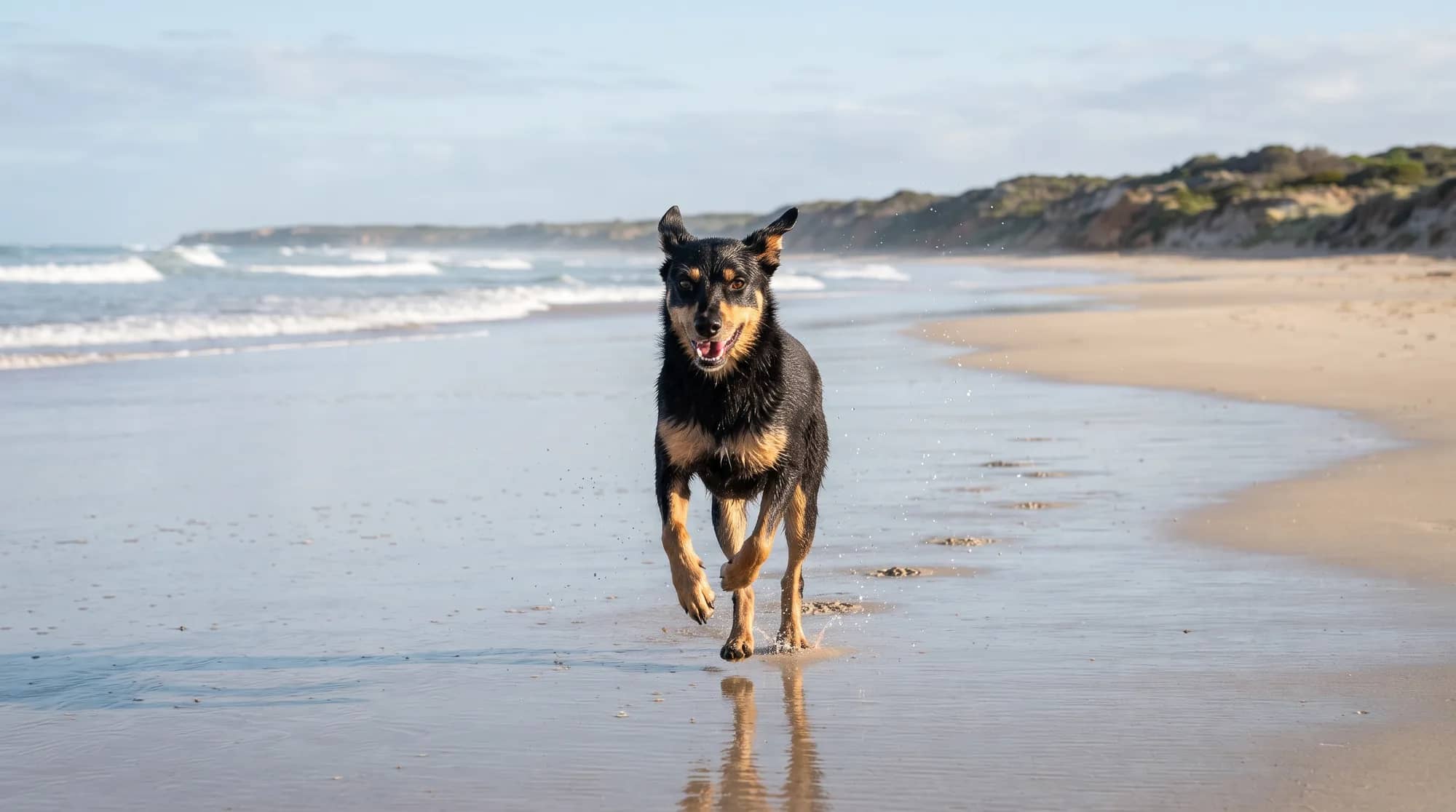
Why Your Dog Won't Come When Called (And How to Fix It)
Every time you call your dog and it does not come, you are teaching it that "come" is optional. Here is how that happens, and how to undo it.
Behaviour Problems
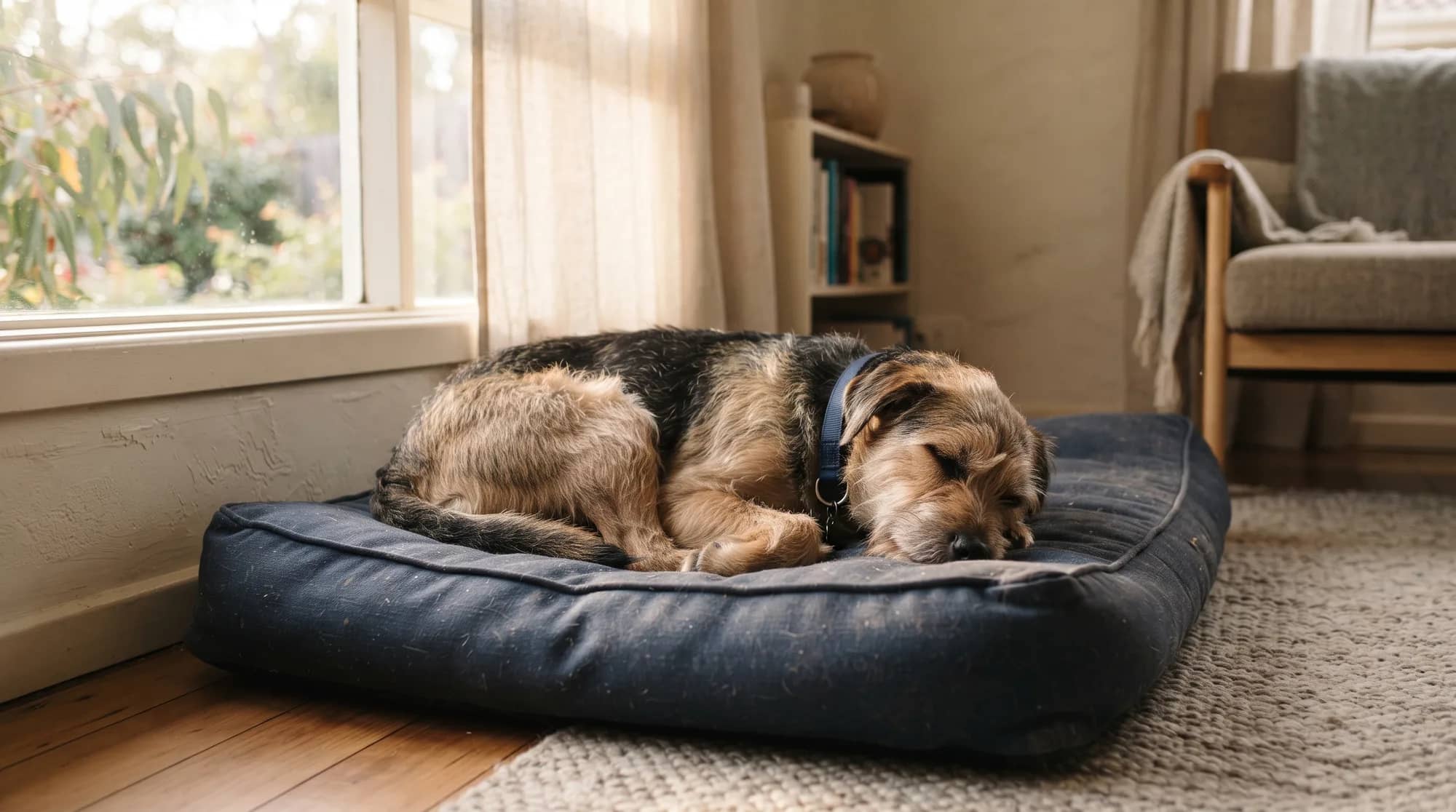
The First 30 Days With a Rescue Dog
The dog you bring home is not the dog you have adopted. It takes about three weeks for the real one to show up — and what you do in that window matters.
Adelaide Dog Life
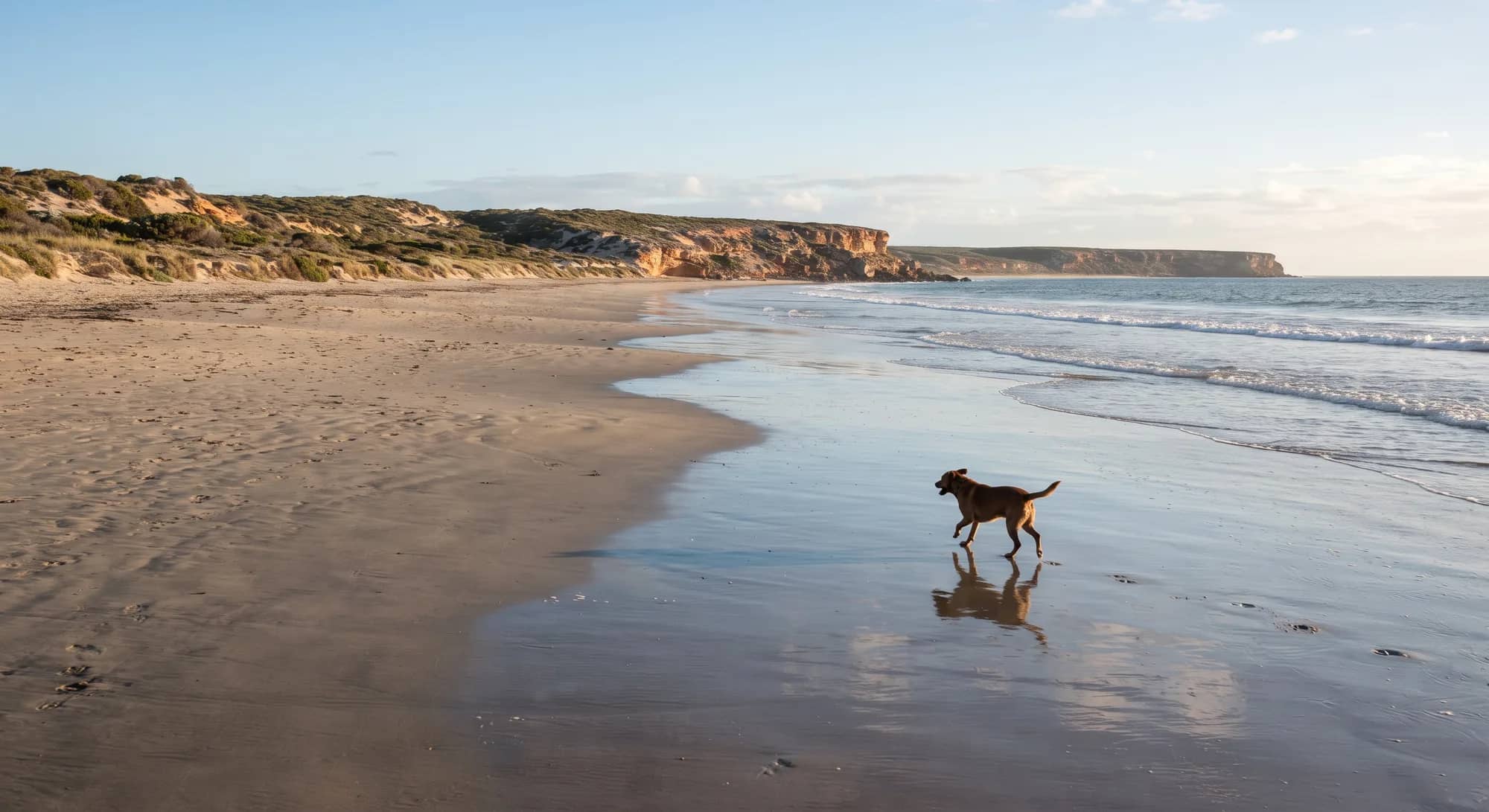
Off-Leash Dog Beaches: Southern Adelaide to Victor Harbor
From Glenelg to Victor Harbor, a run-down of the coast, how the off-leash hours generally work, and the two words in the legislation that catch people out.
Questions
Dog training in McLaren Vale — questions
My dog has started showing interest in the sheep next door. How urgent is this?
We have acreage. Does my dog still need lead training?
Can you help us get the dog cellar-door ready?
Ready when you are
Dog training in McLaren Vale, starting this week.
Tell me what's going on and I'll tell you straight whether I can help — and roughly what it will take. No obligation, no pressure. Southern suburbs of Adelaide — CBD to Victor Harbor.
Send a quick enquiry
Four things and I’ll come back to you. If it is urgent, ring instead — that is always faster.