
Services
What I help with
Eight services, one approach underneath: work out what is actually driving the behaviour, then change that — rather than drilling commands at a problem that is not about commands.
Start here
Foundations
The groundwork. Whether you have a new puppy or a seven-year-old who has never quite listened, this is where most households start.
Specific problems
When something has gone wrong
Reactivity, aggression, anxiety and barking. These need a different approach from obedience — and getting the diagnosis right is most of the work.
Behaviour Consultations
Some problems do not respond to more training. They respond to understanding what is actually driving them.
Learn moreReactive Dog Training
You have started walking at 6am so you do not meet anyone. That is not a walk, that is a covert operation.
Learn moreAggressive Dog Training
If you are frightened of what your dog might do, you need someone who will tell you the truth rather than sell you a quick fix.
Learn moreSeparation Anxiety
The neighbours have mentioned the howling. The door frame is destroyed. Your dog is not being naughty — it is genuinely panicking.
Learn moreBarking Dog Training
Barking is a symptom, not a diagnosis. Six different problems produce the same noise — and they need six different answers.
Learn moreHow it happens
The format
Everything happens in your home, in your yard and on your street — because that is where your dog's behaviour actually lives.
How it works, whatever you book
The same process underneath all eight
The services differ in what they are aimed at. The way they run does not, so it is worth setting out once rather than eight times.
Everything happens at your place
Your home, your yard, your street. Not a hall across town. Dogs generalise far worse than people assume — a “sit” learned on a rubber mat is not the same skill as a “sit” at your own front door with the postie outside, and one does not automatically become the other. Working in context removes the transfer step entirely, which is where most class-based training quietly leaks away.
You do the handling, I coach
A dog that only responds to the trainer is a party trick. You will be the one holding the lead for the next decade, so you are the one who practises. That feels slower on the day and it is the reason it still works in a fortnight.
The whole household, in one conversation
Most dog problems have a human consistency component — one person allows the couch, one doesn’t; one knees the dog off visitors, one gives it a cuddle for the same behaviour. Your dog is not confused. It has correctly worked out that the rules depend on who is in the room. That is fixable in one conversation with everyone present, and close to impossible to fix second-hand.
One thing at a time, then a week or two to practise
Sessions are an hour, and that is the method rather than a limit. A three-hour visit covering the house, the walk, the recall and the barking produces a household that remembers none of it by Thursday. So we fix one thing properly, you practise it until it is automatic, and the next session starts by checking it held before we add anything. Support in between, because the questions that matter arrive around day four rather than on the day.
And an honest answer about what I can’t do
Every service page below carries a section on what that service will not fix and when you should be talking to someone else — your vet, a veterinary behaviourist, or a group class. If I don’t think I’m the right person for your dog, I’d rather tell you on the phone than take the booking.
Where I work
Where I work
From the Adelaide CBD south through the beaches, the Onkaparinga suburbs and the Vales, down to Victor Harbor.
 27 suburbs
Adelaide's Inner South
Small blocks, shared fences and footpaths full of people. The inner south asks a lot of a dog.
Dog training in Inner South 26 suburbs
The Southern Beaches
Beach walks, esplanade crowds and off-lead hours that catch people out. Recall matters more here than anywhere.
Dog training in Southern Beaches 35 suburbs
Adelaide's Southern Suburbs
The heartland. Close-set housing, shared fences, and more council barking complaints than anywhere else I work.
Dog training in Southern Suburbs 22 suburbs
The Southern Vales
Vines, acreage and one of the best dog beaches in the state. Different geography, different problems.
Dog training in Southern Vales 25 suburbs
The Fleurieu & Victor Harbor
Hardest part of the state to find proper behaviour help. That is exactly why I come down here.
Dog training in FleurieuNot sure which one
Picking the right starting point
Most people book the wrong one first, and it is usually the same mistake in the same direction: booking obedience for a problem that is not about obedience. Here is the short version.
If your dog knows what you want and does it anyway — pulls, jumps, ignores you outside, steals things, will not settle — that is a training gap. Start with obedience training, or puppy training if it is under about six months.
If your dog is frightened, panicking or over-aroused — barking and lunging on lead, guarding, growling, falling apart when you leave — that is an emotional problem and obedience will not touch it. You can teach a frightened dog a beautiful sit and it will still be frightened. Start with a behaviour consultation, or go straight to the specific page if you already know what you are dealing with.
If something changed suddenly, or your dog is over about seven, or it reacts to being touched in one particular place — see your vet before you see me. Pain drives far more behaviour change than most owners realise, and no amount of training fixes a sore dog.
And if you genuinely cannot tell, ring me. Two minutes on the phone is usually enough for me to point you at the right one, and I would rather do that than have you book the wrong thing.
Questions
How it works
Where do the sessions happen?
How long is a session?
Do you train my dog, or do you train me?
How many sessions will we need?
Should the whole family be there?
What do I need to have ready?
My dog goes off at anyone who comes to the door. Will that wreck the session?
We have more than one dog. Can you work with both?
I rent, and the yard is tiny. Does that rule me out?
What happens after the session?
How much practice do I need to do between sessions?
Free advice
Read before you book
If one of these sorts your problem out and you never ring me, that is a good outcome.
Adelaide Dog Life
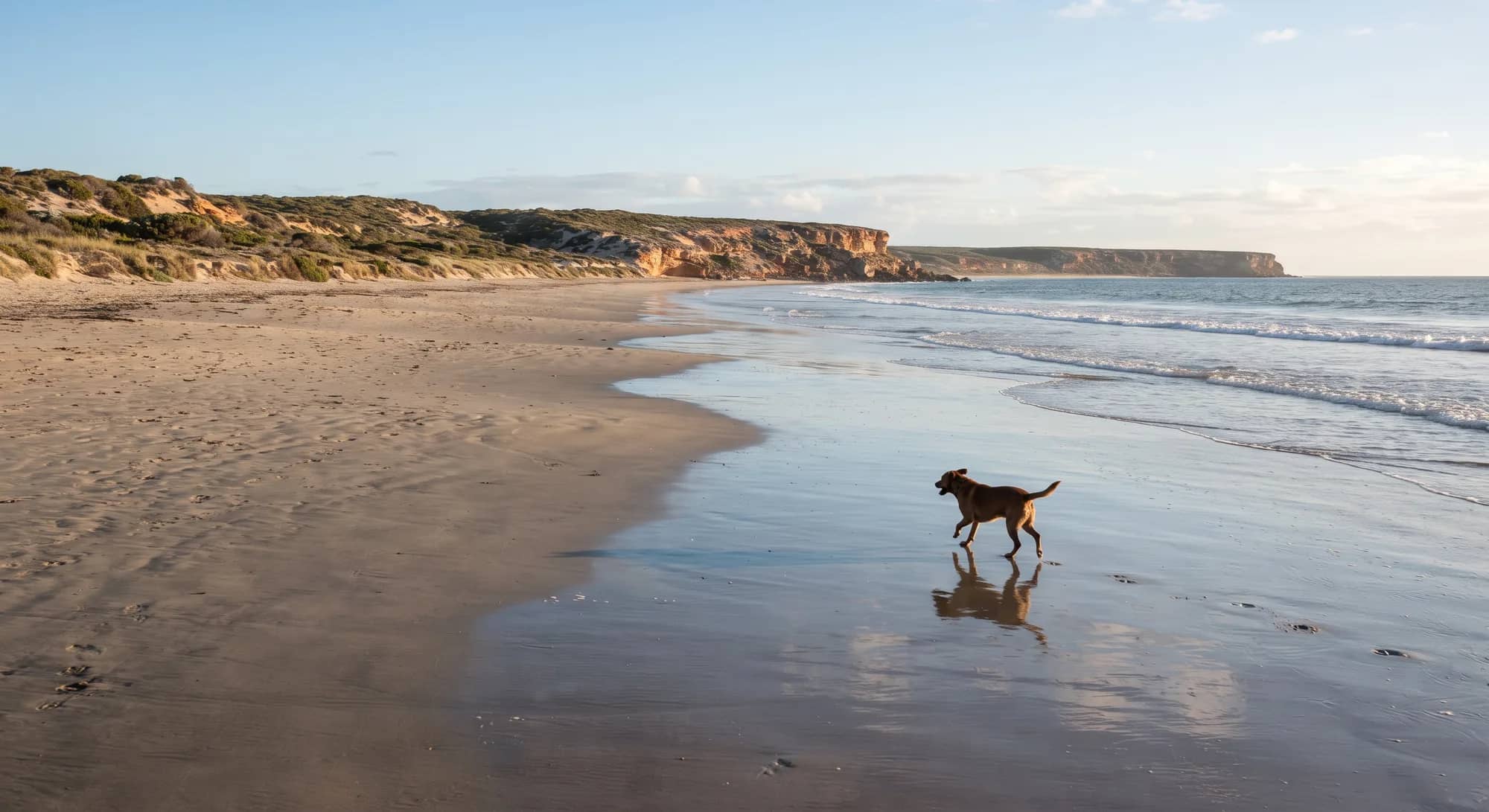
Off-Leash Dog Beaches: Southern Adelaide to Victor Harbor
From Glenelg to Victor Harbor, a run-down of the coast, how the off-leash hours generally work, and the two words in the legislation that catch people out.
Behaviour Problems
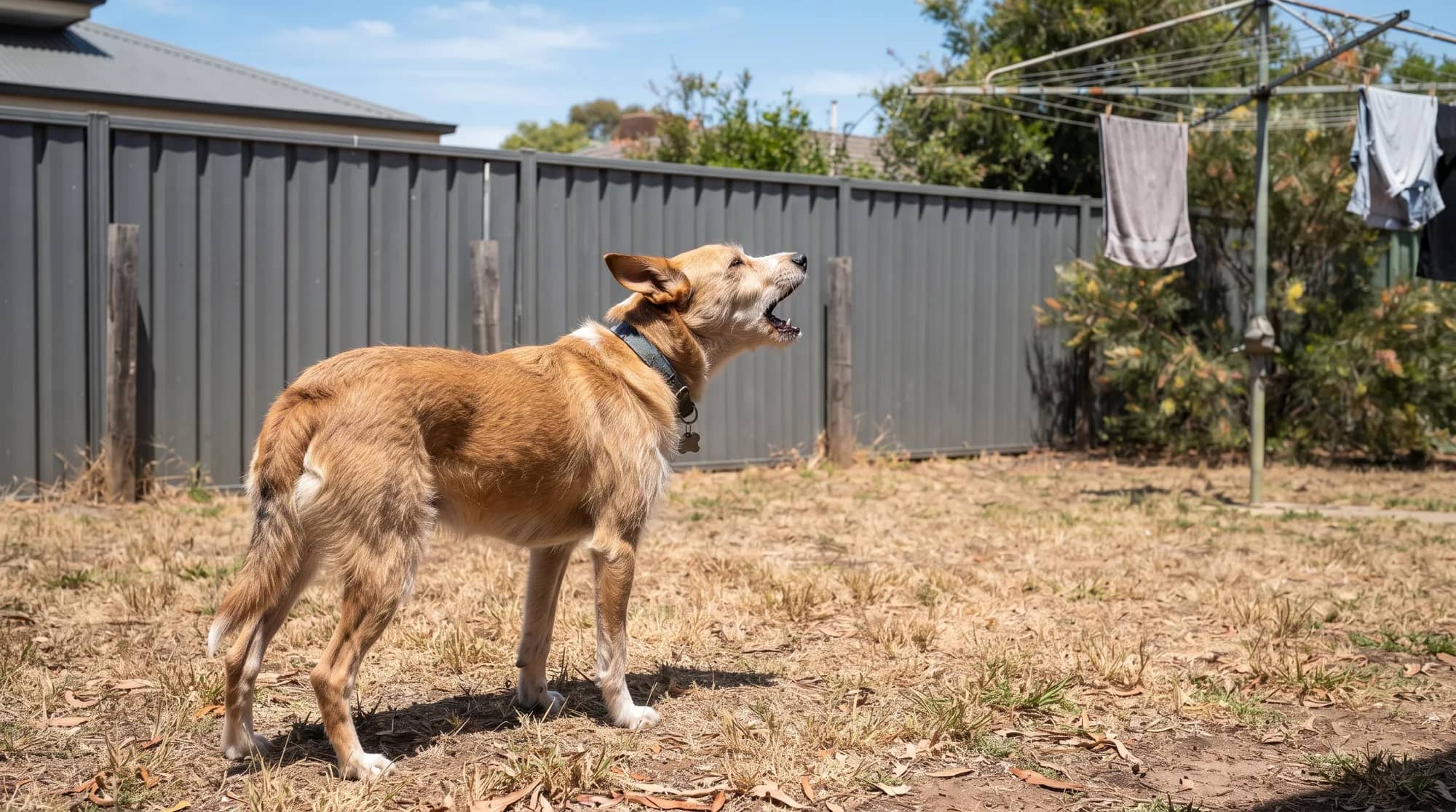
You Have Had a Barking Complaint. What Happens Now?
There is a letter from the council on your kitchen bench. Here is exactly what it means, what happens next, and the two things worth doing today.
Puppy Training
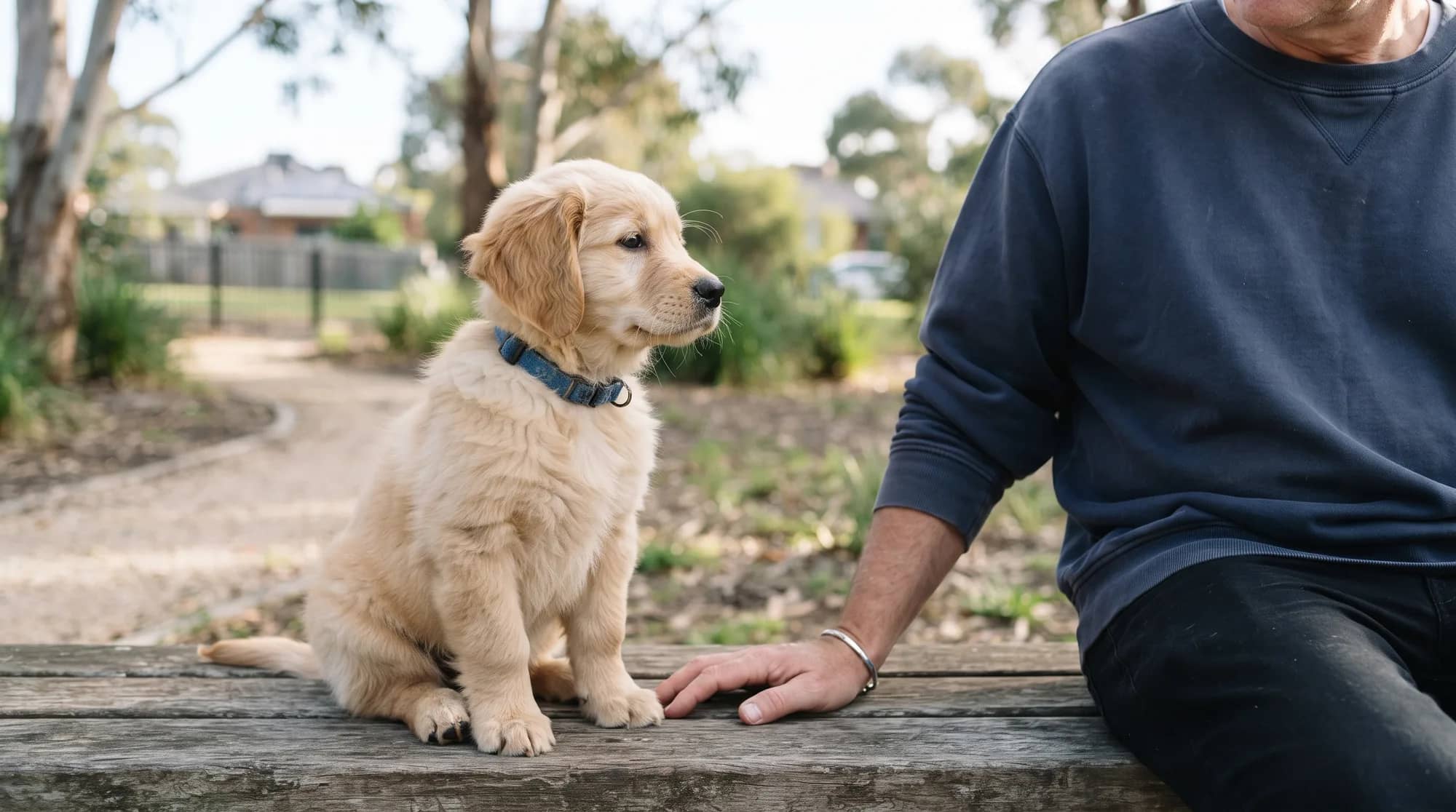
When Should Puppy Training Actually Start?
The most valuable training window in your dog's entire life closes at around sixteen weeks. Most people start using it at six months.
Ready when you are
Let's sort your dog out.
Tell me what's going on and I'll tell you straight whether I can help — and roughly what it will take. No obligation, no pressure. Southern suburbs of Adelaide — CBD to Victor Harbor.
Send a quick enquiry
Four things and I’ll come back to you. If it is urgent, ring instead — that is always faster.