
Service
When You Leave and It All Falls Apart
The neighbours have mentioned the howling. The door frame is destroyed. Your dog is not being naughty — it is genuinely panicking.
In short
Separation anxiety is a panic response, not misbehaviour. A dog with genuine separation distress is not destroying the door out of spite or boredom — it is having something close to a panic attack, and it starts within minutes of you leaving. Because it is panic, it does not respond to correction or to simply "toughing it out". It responds to gradually rebuilding the dog's confidence that being alone is survivable.
Sound familiar?
Sound familiar?
- Howling, barking or screaming the moment you leave
- Destruction focused on doors, windows and exit points
- Toileting indoors despite being reliably house-trained
- Following you from room to room, including the bathroom
- Drooling, panting or refusing food while you are out
- Neighbours have complained, or the council has been in touch
How it works
How it works
Confirm what it actually is
True separation anxiety, boredom, under-exercise, a noise phobia and simple lack of alone-time training all look similar from the outside and need completely different plans. Camera footage of the first twenty minutes usually settles it.
Stop the daily panic
You cannot train a dog out of panic while it panics every day. Step one is arranging cover — a neighbour, daycare, a sitter, changed hours — so the full-blown episodes stop while we work.
Build alone time from zero
Genuinely from zero. Seconds, then a minute, then five. It sounds slow because it is, and it is the only approach with a decent track record.
Defuse the departure cues
Your dog started panicking when you picked up the keys, not when you shut the door. We break the meaning of the whole departure sequence.
Inside the process
What actually happens
The first thing worth saying: your dog is not doing this to punish you. Every owner I speak to about separation anxiety has half-wondered whether it is spite, and it never is. Dogs do not do spite. What they do is panic, and panic looks a lot like a targeted attack on your back door.
The second thing: we need to know what we are actually dealing with, because four different problems produce nearly identical evidence. A bored dog that has been alone for nine hours will also chew things — but it starts hours in, and it chews whatever is interesting rather than specifically the exit. A dog with a noise phobia will destroy things during a storm and be perfectly fine on a calm day. A dog that has simply never been taught to be alone is a training gap, not a clinical anxiety case, and it resolves far faster.
Genuine separation anxiety has a signature: it starts fast, usually within the first five to twenty minutes, and it targets exits. Set up a phone on a shelf and record the first half hour. That footage will tell us more than an hour of conversation.
Then comes the part that people find counterintuitive. Before any training starts, we have to stop your dog rehearsing the panic. Every day your dog spends eight hours in distress is a day of practice at being distressed, and no amount of graduated departure training will out-run that. So we work out cover — a neighbour, a friend, daycare a few days a week, a dog walker at the midpoint, adjusted hours if your work allows. It is inconvenient. It is also the difference between this taking two months and taking a year.
The training itself is unglamorous and it works. We start at whatever duration your dog is genuinely comfortable with, which for a severe case might be you standing on the other side of the door for three seconds. Then we build, in increments small enough that your dog never tips into panic, with plenty of repetitions at each stage and a willingness to go backwards on a bad day.
Alongside that we defuse the departure routine. Most anxious dogs have started their spiral well before you actually leave — keys, shoes, the particular bag, the way you say goodbye. Those cues have become predictors of something terrible. So we make them meaningless: pick the keys up and sit down, put your shoes on and make a cup of tea, forty times, until they stop meaning anything at all.
What you actually get
What a separation anxiety session actually involves
- Where
- Your home — the only place this behaviour happens
- Format
- One-on-one, built around your actual work hours
- Starts with
- Footage of the first thirty minutes after you leave
- How long
- One hour — we fix one thing properly rather than everything badly
What’s included
- Working out what you actually have — anxiety, boredom, noise phobia or untrained alone time all look alike
- Reviewing your camera footage properly, because the timing is what distinguishes them
- A cover plan so the daily panic stops while we work — the step that decides whether this takes two months or a year
- Desensitising the departure routine: keys, shoes, bag, the whole sequence
- A graduated alone-time programme built from genuinely zero
- Practical help with what to say to neighbours or a council if complaints are running
- Guidance on when a veterinary anxiety conversation is worth having
- A duration ladder you can actually follow — where to start, what the increments are, when to move up
- Follow-up support through a process that takes weeks to months
What’s not included
- Bark collars or any punishment-based approach. You would be penalising a panicking animal
- "Just ignore it and they will get over it" — that is flooding and it sensitises rather than habituates
- Medication, which is your vet's call. I will tell you when I think it is worth discussing
- A fast fix. Anyone offering one for genuine separation anxiety is describing a different problem
What I need from you
- Thirty minutes of footage from after you leave. A phone on a shelf is fine
- Honesty about your working hours and what cover is realistically available
- Willingness to arrange that cover, even temporarily — it is inconvenient and it is the whole ballgame
- Patience with increments that feel absurdly small at the start
- Acceptance that a storm or a change in routine will knock you back a stage sometimes
After the session
What happens once I leave
This is the service with the longest tail, and setting that expectation properly is part of the job.
The work is a duration ladder: where you start, what the increments are, how many repetitions at each stage, and the rule for when to move up. For a severe case the first rung might be you standing on the other side of a closed door for three seconds. That sounds absurd, and it is the only approach with a decent track record.
It also covers the departure-cue work, which is usually where the first visible improvement comes from. Most anxious dogs have started spiralling well before you actually leave, and neutralising the keys, the shoes and the bag often produces a noticeable change inside a fortnight — well before duration has moved at all.
Expect the curve rather than a line. The first ten minutes are the hardest and take the longest. Once a dog can genuinely do twenty minutes without distress, thirty and forty tend to arrive much faster, because the underlying rule has been learned.
Follow-up matters because setbacks are guaranteed. A storm, a holiday, a change in your routine, someone leaving in an unusual way — any of those can cost you a stage. That is normal, you drop back to a duration your dog can do, and it rebuilds faster each time.
The difference
Why this works where other things haven't
The usual approach
- "Just ignore them, they will get over it" — flooding, which makes panic worse
- A bark collar aimed at the symptom
- More exercise, on the theory that a tired dog cannot panic
- Getting a second dog and hoping
- Crating a dog that panics in a crate
How I work
- Work under the panic threshold, always
- Arrange cover so the daily episodes stop first
- Rebuild alone time in genuinely small increments
- Neutralise the departure cues, not just the departure
- A vet conversation about anxiety support where the case warrants it
What changes
What changes
- A dog that settles instead of panicking when you go
- Departures that are boring rather than dramatic
- The door frame, the blinds and your bond intact
- Confidence you can leave the house without dread
- Neighbours off your back
Expected outcomes
What you'll notice, and roughly when
Separation work is slow and it is worth setting that expectation properly at the start. Anyone offering you a fast fix for genuine separation anxiety is describing a different problem.
What moves first is the departure routine. Within a week or two of properly desensitising the cues, most dogs stop the anticipatory spiral — the pacing and panting that used to start when you picked up your keys. That is a real and visible win, and it makes everything downstream easier.
Duration builds in a curve rather than a line. The first ten minutes are the hardest and take the longest. Once a dog can genuinely do twenty minutes without distress, thirty and forty tend to come much faster, because the dog has learned the underlying rule: you leave, you come back, nothing bad happens in between.
Expect setbacks. A thunderstorm, a change in routine, a holiday, someone leaving in an unusual way — any of these can knock you back a stage. That is normal. You drop back to a duration your dog can do, rebuild, and it comes back quicker each time.
It is also worth knowing that for moderate to severe cases, medication is a legitimate and well-supported part of treatment, prescribed by your vet. It does not train the dog and it is not a shortcut — what it does is lower the panic enough that the training can actually get traction. If I think your case would benefit from that conversation, I will say so and you can take it to your vet.
Where most households land is a dog that can be left for a normal working day without distress, and a family that has stopped organising its entire life around who is home. That is achievable for the large majority of cases. It just takes longer than anyone wants it to.
Being straight with you
What this won't do
Some things worth knowing before you commit to this one.
It is slow. Weeks to months for a genuine case, not days. If someone has told you otherwise, they were probably describing a dog that had simply never been taught to be alone — which is a training gap rather than clinical anxiety, and does resolve quickly. Working out which one you have is the first thing we do.
It does not work while the panic continues daily. If your dog spends eight hours in distress every weekday, that is eight hours of practice at being distressed, and no graduated programme out-runs it. If cover is genuinely impossible, I will tell you honestly that progress will be slow rather than take your money and imply otherwise.
A second dog usually does not fix it. Most separation anxiety is about being separated from you, not about being alone. If it does not work, you now have two dogs and one problem.
Medication is often part of the answer, and it is not mine to give. For moderate to severe cases it is mainstream and well-evidenced — it lowers the panic enough for training to get traction. Your vet prescribes it. I will tell you when I think the conversation is worth having, and there is no prize for doing this the hard way.
Who this is for
Is this the right fit?
If you recognise yourself in this list, we should talk.
- Dogs that panic within minutes of being left
- Households facing barking complaints while they are at work
- Rescue dogs who have been rehomed more than once
- Owners whose routines have changed — new job, return to office
- Anyone who has been told to just ignore it and found it got worse
Where I work
Separation Anxiety across southern Adelaide
I travel in-home from the Adelaide CBD south through to Victor Harbor.
 27 suburbs
Adelaide's Inner South
Small blocks, shared fences and footpaths full of people. The inner south asks a lot of a dog.
Dog training in Inner South 26 suburbs
The Southern Beaches
Beach walks, esplanade crowds and off-lead hours that catch people out. Recall matters more here than anywhere.
Dog training in Southern Beaches 35 suburbs
Adelaide's Southern Suburbs
The heartland. Close-set housing, shared fences, and more council barking complaints than anywhere else I work.
Dog training in Southern Suburbs 22 suburbs
The Southern Vales
Vines, acreage and one of the best dog beaches in the state. Different geography, different problems.
Dog training in Southern Vales 25 suburbs
The Fleurieu & Victor Harbor
Hardest part of the state to find proper behaviour help. That is exactly why I come down here.
Dog training in FleurieuReal owners
Owners I've worked with on separation anxiety
After just 1 session with The Dog Obedience Guy I could already see improvement with Sammi. Today I walked both dogs, side by side with ease continuing the strategies I learnt. Thanks, one very happy customer
Have just finished our last session and I was given excellent help and ideas. Turns out it wasn't Ollie (it was me) 🤣 Thank you for all the help. Ollie loved it. Would definitely recommend. Thanks Faz
Often comes up alongside
Related services
These are the ones people working on this most often need to look at too.
Barking Dog Training
Barking is a symptom, not a diagnosis. Six different problems produce the same noise — and they need six different answers.
Learn moreBehaviour Consultations
Some problems do not respond to more training. They respond to understanding what is actually driving them.
Learn morePuppy Training
Everything your puppy learns in the next twelve weeks, they will believe for the rest of their life. Worth getting right.
Learn moreRead more
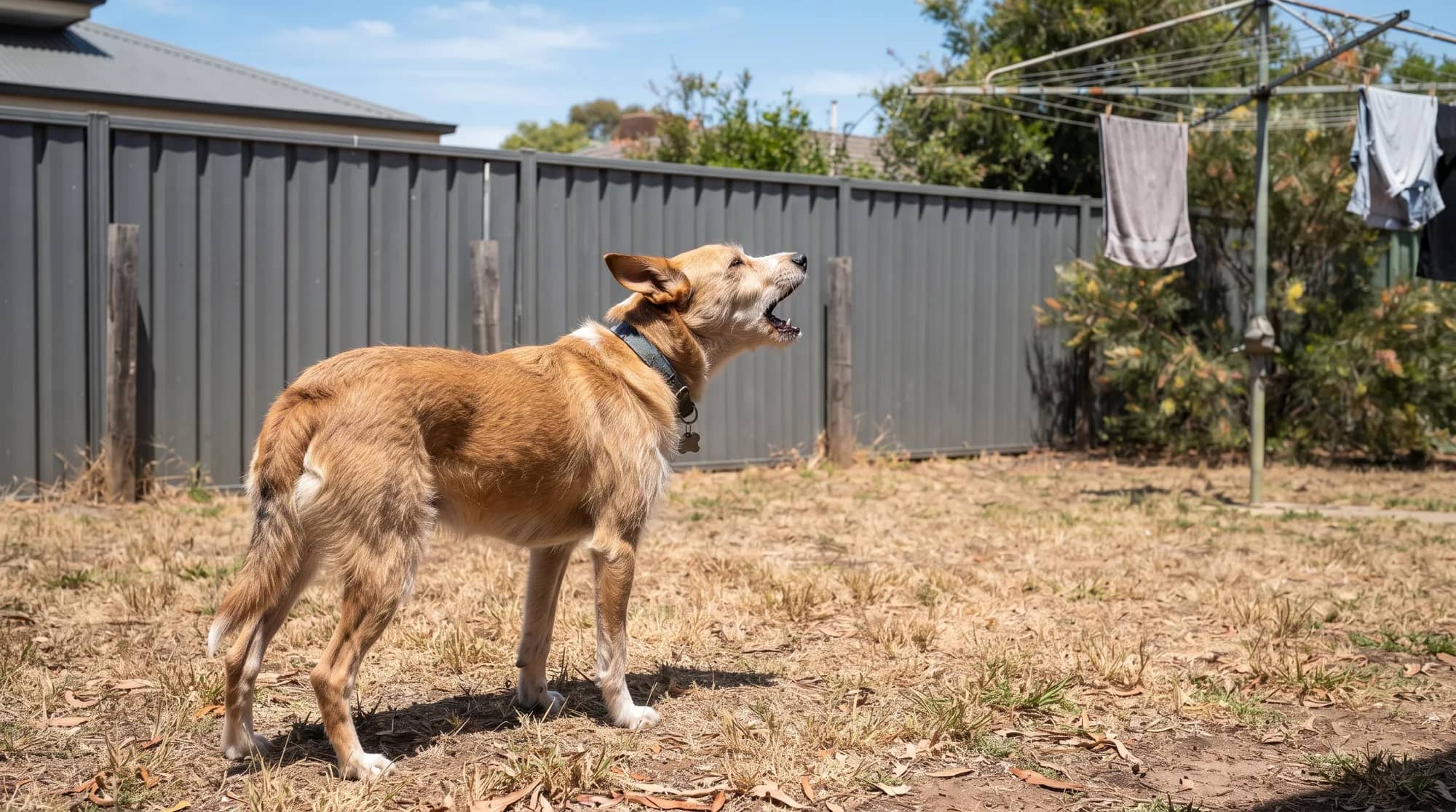
Behaviour Problems
You Have Had a Barking Complaint. What Happens Now?
There is a letter from the council on your kitchen bench. Here is exactly what it means, what happens next, and the two things worth doing today.
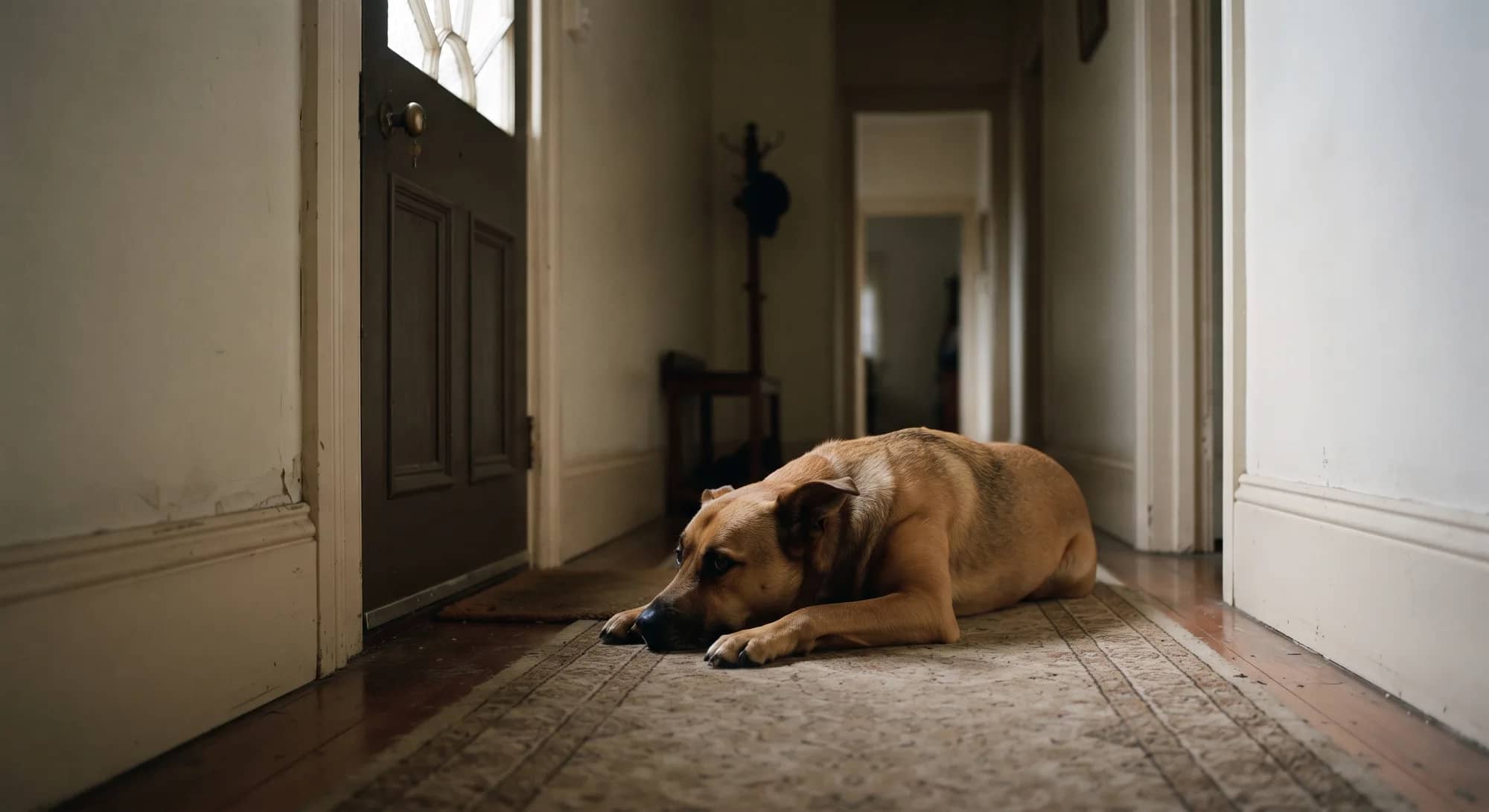
Behaviour Problems
Separation Anxiety or Just Boredom? How to Tell
Four completely different problems produce the same chewed door frame. Thirty minutes of phone footage will tell you which one you have.
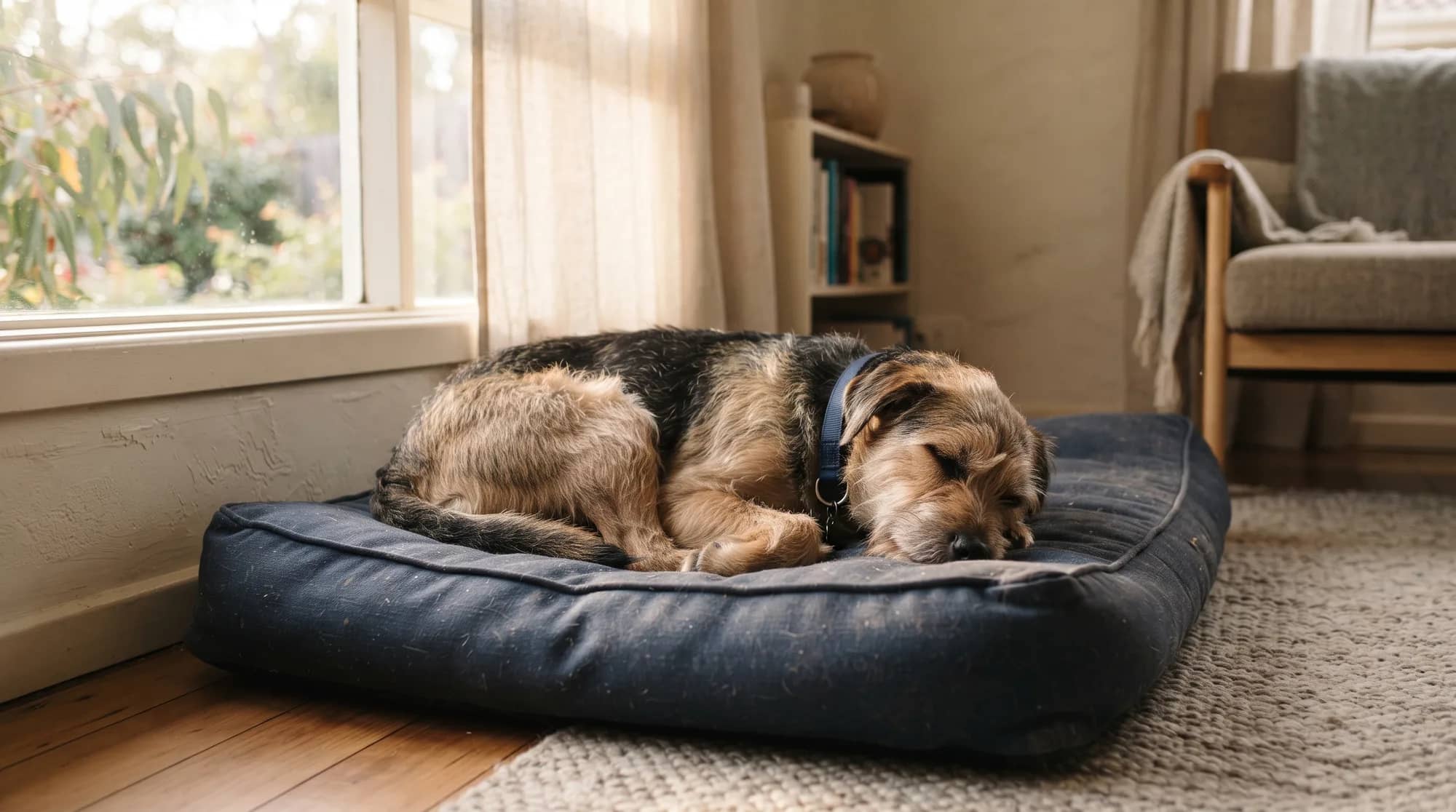
Behaviour Problems
The First 30 Days With a Rescue Dog
The dog you bring home is not the dog you have adopted. It takes about three weeks for the real one to show up — and what you do in that window matters.
Suburbs
Suburbs where this comes up most
Each has its own page with the council, the parks and the problems specific to it.
Read up
Free guides on separation anxiety
Written for owners in southern Adelaide. If one of these sorts your problem out and you never ring me, that is a good outcome.
Behaviour Problems
You Have Had a Barking Complaint. What Happens Now?
There is a letter from the council on your kitchen bench. Here is exactly what it means, what happens next, and the two things worth doing today.
Behaviour Problems
Separation Anxiety or Just Boredom? How to Tell
Four completely different problems produce the same chewed door frame. Thirty minutes of phone footage will tell you which one you have.
Questions
Separation Anxiety — your questions
How do I know it is separation anxiety and not boredom?
Will getting a second dog fix it?
What about a bark collar? The neighbours have complained.
Can medication help?
I have to work full-time. Is this hopeless?
Ready when you are
Let's sort your dog out.
Tell me what's going on and I'll tell you straight whether I can help — and roughly what it will take. No obligation, no pressure. Southern suburbs of Adelaide — CBD to Victor Harbor.
Send a quick enquiry
Four things and I’ll come back to you. If it is urgent, ring instead — that is always faster.