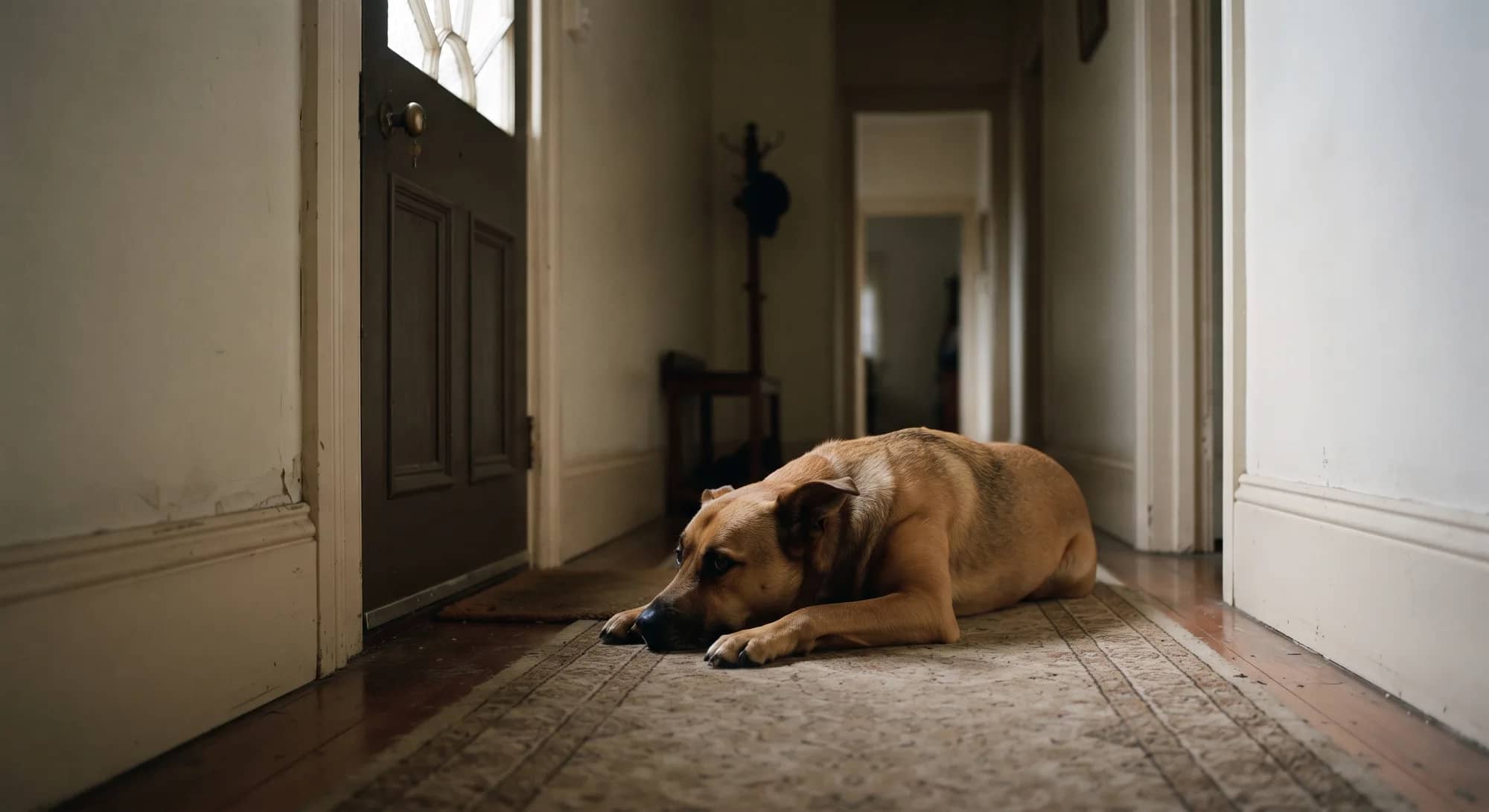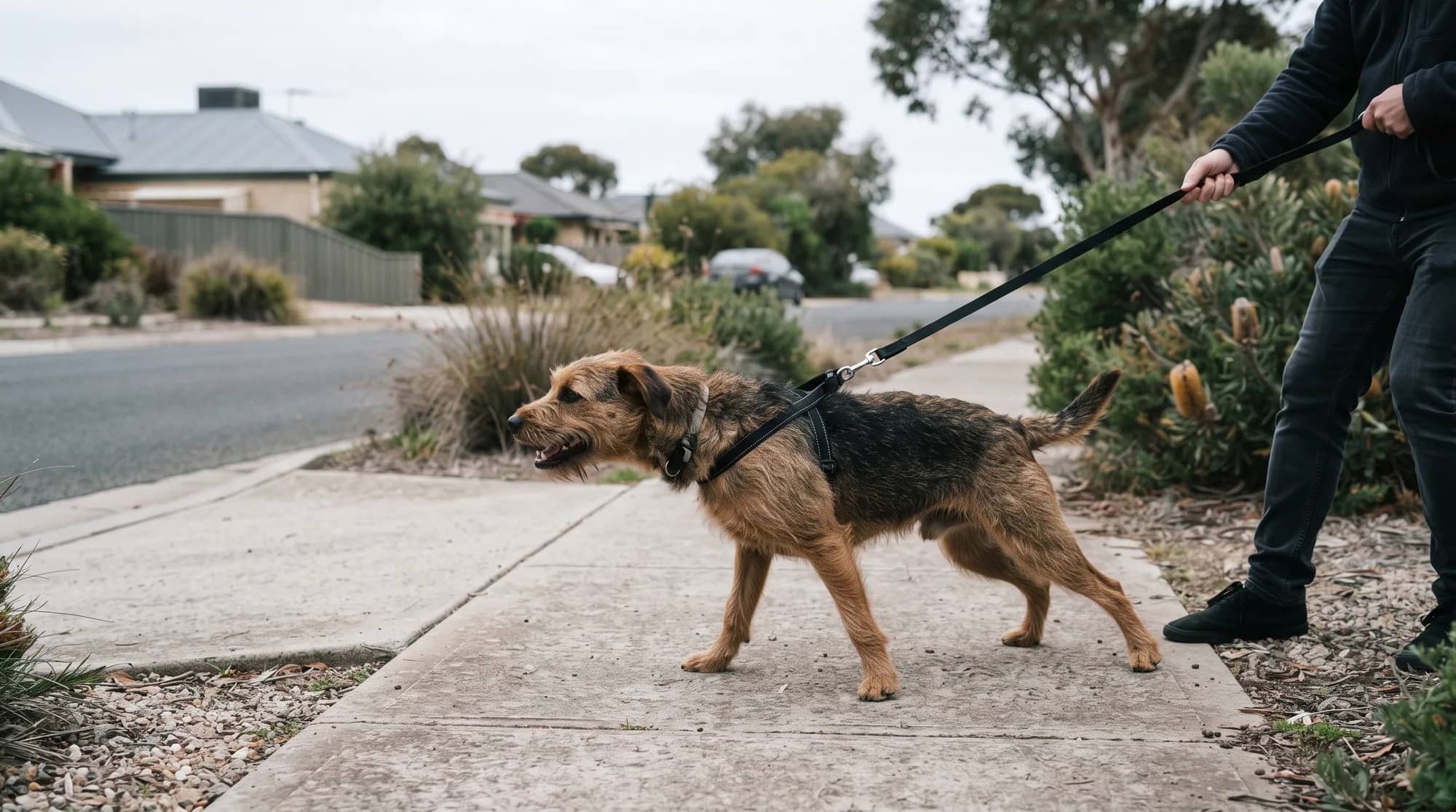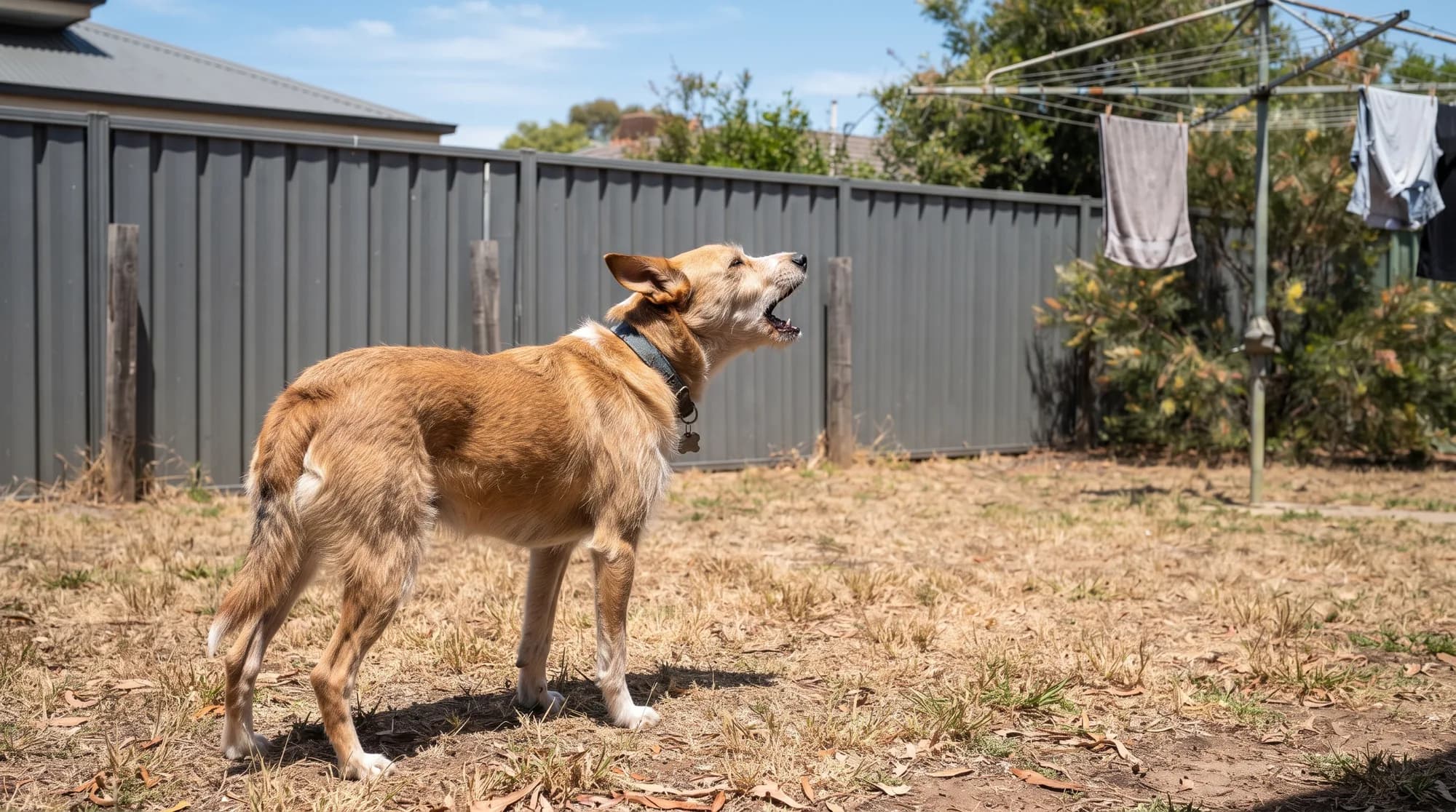
There is a letter from the council on your kitchen bench and you had no idea any of this was happening, because you were at work.
That is how nearly every barking case reaches me. So before anything else, here is what to do today.
What actually happens in the council process
Barking sits under the Dog and Cat Management Act 1995 (SA) and is administered by your local council, so the exact process varies a little between the City of Onkaparinga, Marion, Holdfast Bay, Mitcham, Unley, Victor Harbor and Alexandrina. The shape of it is fairly consistent though.
A complaint is lodged. Usually a neighbour. Councils generally ask complainants to keep a log of dates, times and durations, and often to have attempted to speak to the owner first.
The council investigates. They will typically contact you, and they may ask you to keep your own records. Some councils will provide information sheets to both parties. City of Onkaparinga publishes separate guides for owners and for neighbours, which is worth reading if you are in that council.
They assess whether it is a nuisance. The test is not "does the dog bark" — all dogs bark. It is whether the barking is unreasonable in duration, frequency or timing.
A Control (Barking Dog) Order may be issued. This is a formal order setting requirements you have to meet. It is serious. Non-compliance can lead to penalties, and matters can escalate to the South Australian Civil and Administrative Tribunal (SACAT).
The thing worth understanding is that councils are not trying to punish you. They are trying to make the noise stop. An owner who responds, engages help and can show what they have changed is in a completely different position from one who ignores the letters.
Talk to your neighbour
This is the step people skip, and it changes outcomes more than anything else on this page.
Most complaints escalate not because the barking is unbearable, but because the neighbour believes nothing is being done. From their side: they mentioned it once, nothing changed, and now they feel ignored. So they go to the council, because that is the only lever they have left.
Knocking on the door and saying "I genuinely didn't know, I've got a camera on it now and I've booked a trainer" defuses a remarkable number of these. It costs nothing and it takes five minutes.
Then work out which kind of barking you actually have
This is the part that determines whether anything you do will work, and it is why generic advice and anti-bark gadgets fail so often. There are at least six kinds of barking and they need different answers.
Alert barking
Something happened; the dog announced it. Normal, and you do not want to remove it entirely. The goal is two barks and then quiet, not silence.
Territorial barking
The front window, the fence line, anything approaching the boundary. Usually the most fixable, and often almost entirely an environmental fix. Block the view and a large proportion of it stops.
Boredom barking
Long stretches alone with nothing to do. The dog is generating its own entertainment. Responds to enrichment and structure.
Frustration barking
The dog wants something it cannot reach — commonly another dog on the other side of a fence. Extremely common in the southern suburbs.
Anxiety barking
Panic, usually when left alone. This one is a separation problem wearing a barking costume, and treating it as a noise problem actively makes it worse.
Demand barking
Barking at you, because it works.
How to tell which one you have
The camera settles it, almost every time.
- Starts within 5–20 minutes of you leaving, focused on doors and windows, with pacing, panting or drooling → anxiety
- Starts hours in, wanders, chews random objects → boredom
- Bursts triggered by something specific — a person passing, the neighbour's dog coming out, the bin truck → territorial or frustration
- Happens while you are home, aimed at you → demand
Bark collars
I get asked, so here is the straight answer: I do not recommend them.
They sometimes suppress the noise, which is not the same as fixing the problem. And crucially, a device that delivers something unpleasant every time your dog barks cannot tell the difference between a dog barking at an intruder and a dog having a panic attack because you left.
For anxiety-driven barking — which is a large slice of the "barks all day while I'm at work" cases — you are punishing a dog for being terrified. That reliably makes things worse, and what you often end up with is a dog that is silently distressed rather than a dog that is fine.
There is also a practical point. If the council process is running, "I fitted a bark collar" is a much weaker answer than "I identified the cause, changed the environment, and engaged a trainer."
The fixes, by cause
Territorial and window barking. Block line of sight. Frosted film or shade cloth on the front window, screening on the fence, move the dog to the back of the house during the day. Then teach an alternative — a specific place to go when the doorbell rings, paid well, practised often.
Fence-line frustration. Physically prevent access to that fence. A second internal fence, a run, screening, or simply not having the dog out at the times the neighbour's dog is. You cannot train through a live fence-fight — every session at that fence is high-intensity practice at the wrong thing.
Boredom. Structure the day. Food puzzles, scatter feeding, frozen enrichment, a midday walker or daycare a couple of days a week if the hours are long. A dog that has had a job in the morning is a much quieter dog at 2pm.
Anxiety. This is its own project — graduated alone-time training, desensitising the departure routine, and for moderate to severe cases a conversation with your vet about anxiety support. It takes weeks to months, not days. Start by reading up on how to tell separation anxiety from boredom.
Demand barking. Stop paying it. Which is easy to say and hard to do, because the barking will get worse before it gets better as your dog escalates to test whether the rule is real.
Southern Adelaide specifically
The southern suburbs produce more of these than anywhere else I work, and the reasons are structural.
Blocks in Morphett Vale, Happy Valley, Aberfoyle Park, Seaford and the newer estates are close together, almost universally fenced in colorbond. Two dogs either side can hear each other perfectly and see each other not at all — which is close to a purpose-built machine for frustration barking. Newer estate housing puts large homes on compact lots, leaving narrow side yards right against the neighbours' living areas.
And post-pandemic, a lot more people are home during the day to hear it. A dog that barked from nine to five for five years without complaint now has an audience trying to take a work call.
None of that is your dog's fault, and most of it responds well to environmental change plus a proper plan.
The realistic timeline
Territorial and window barking: often noticeably better within days of blocking the view.
Boredom barking: a week or two once the day is properly structured.
Frustration at a fence: fast, once access is genuinely prevented.
Anxiety barking: weeks to months. There is no shortcut, and anyone promising one is describing a different problem.
If a council order is running and you need the fastest possible reduction, the environmental changes are where the immediate wins are. Start there today, and sort the underlying cause properly alongside it.